As we look ahead to the new year, sustainability continues to evolve from a “nice to have” into a core part of how greeting card businesses operate, trade and communicate. Regulatory expectations are shifting, consumer scrutiny is sharper, and sustainability is increasingly linked to long-term resilience rather than just environmental ambition.
Drawing on recent UK business insights and sector analysis, here are the key sustainability trends greeting card publishers, manufacturers and retailers should be aware of, alongside clear, practical actions relevant to the greeting card industry.
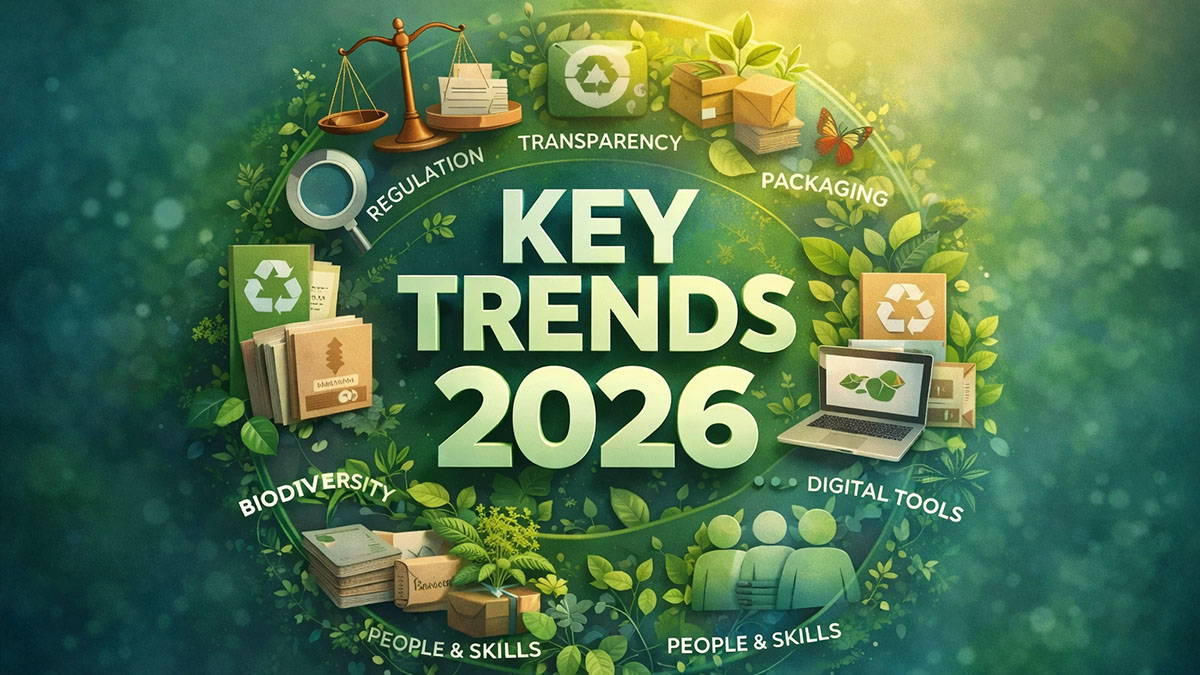
1. Regulation Is Evolving
Sustainability regulation isn’t going away, but it is becoming more targeted and proportionate, particularly for small and medium-sized businesses. Recent developments suggest clearer thresholds and a greater focus on where regulation has the most impact.
However, reduced regulatory burden does not mean reduced expectations. Retailers, licensors and consumers continue to expect robust sustainability information — regardless of whether a business is legally required to report.
What this means:
Recommended actions:
2. Transparency Is Now a Legal and Commercial Requirement
Sustainability claims are under greater scrutiny than ever. Enforcement around misleading environmental claims has strengthened significantly, meaning businesses must be confident that any green claims and marketing are accurate, specific and substantiated.
For greeting card companies, this is particularly relevant where terms such as eco, plastic-free, recyclable, sustainably sourced or carbon neutral are used on products or online.
What this means:
Recommended actions:
3. Sustainable Packaging Is Now the Norm
Packaging remains one of the most visible sustainability touchpoints for greeting cards. With increasing focus on packaging waste and extended producer responsibility, packaging choices now directly affect cost, compliance and brand perception.
Across UK retail and manufacturing, recyclable, compostable and reduced-material packaging continues to accelerate — particularly for paper-based products, where improvements can often be made without compromising quality or design.
What this means:
Recommended actions:
4. Biodiversity Is Rising Alongside Carbon
While carbon reduction remains central, biodiversity is emerging as a parallel priority — particularly for paper-based industries. There is growing attention on forest risk, nature impact and responsible sourcing, alongside climate considerations.
For the greeting card sector, this directly links to paper sourcing, forestry practices and certification schemes.
What this means:
Recommended actions:
5. Digital Tools Are Making Sustainability More Manageable
Sustainability data no longer needs to live in complex spreadsheets. Digital tools are increasingly helping businesses track materials, packaging and emissions more efficiently, making sustainability more accessible for smaller teams.
For greeting card businesses managing multiple SKUs and suppliers, this can reduce admin burden while improving consistency and accuracy.
Recommended actions:
SME Climate Hub tools
Carbon Trust SME Carbon Footprint Calculator
SmartCarbon
TrackZero
6. People and Skills Matter as Much as Policy
One of the biggest barriers to sustainability progress across UK businesses remains internal understanding and engagement. Where sustainability knowledge is limited to one person or team, progress can stall.
In the greeting card industry — where teams are often small — building shared understanding is key.
Recommended actions:
What This All Means for GCA Members in 2026
Sustainability in 2026 will be defined less by bold claims and more by credible, proportionate action. For greeting card businesses, the focus should be on transparency, responsible materials, practical data management and clear communication.
By taking a steady, informed approach, GCA members can meet rising expectations while continuing to prioritise creativity, quality and commercial performance.