As Christmas approaches, two things matter to our industry: giving people more reasons to send cards and ensuring they can trust those cards to arrive.
The GCA has consistently argued that these two objectives go together. An affordable, reliable postal service gives people confidence to keep sending; visible and positive promotion of card sending helps sustain the volumes on which that service depends.
Following several months of engagement with Royal Mail, and weeks of heightened parliamentary and regulatory scrutiny, we are beginning to see movement on both fronts.
Growing Christmas card sending
The GCA continues to meet regularly with Royal Mail to discuss how we can work together to encourage card sending, rebuild consumer confidence and support the long-term health of the letters market.
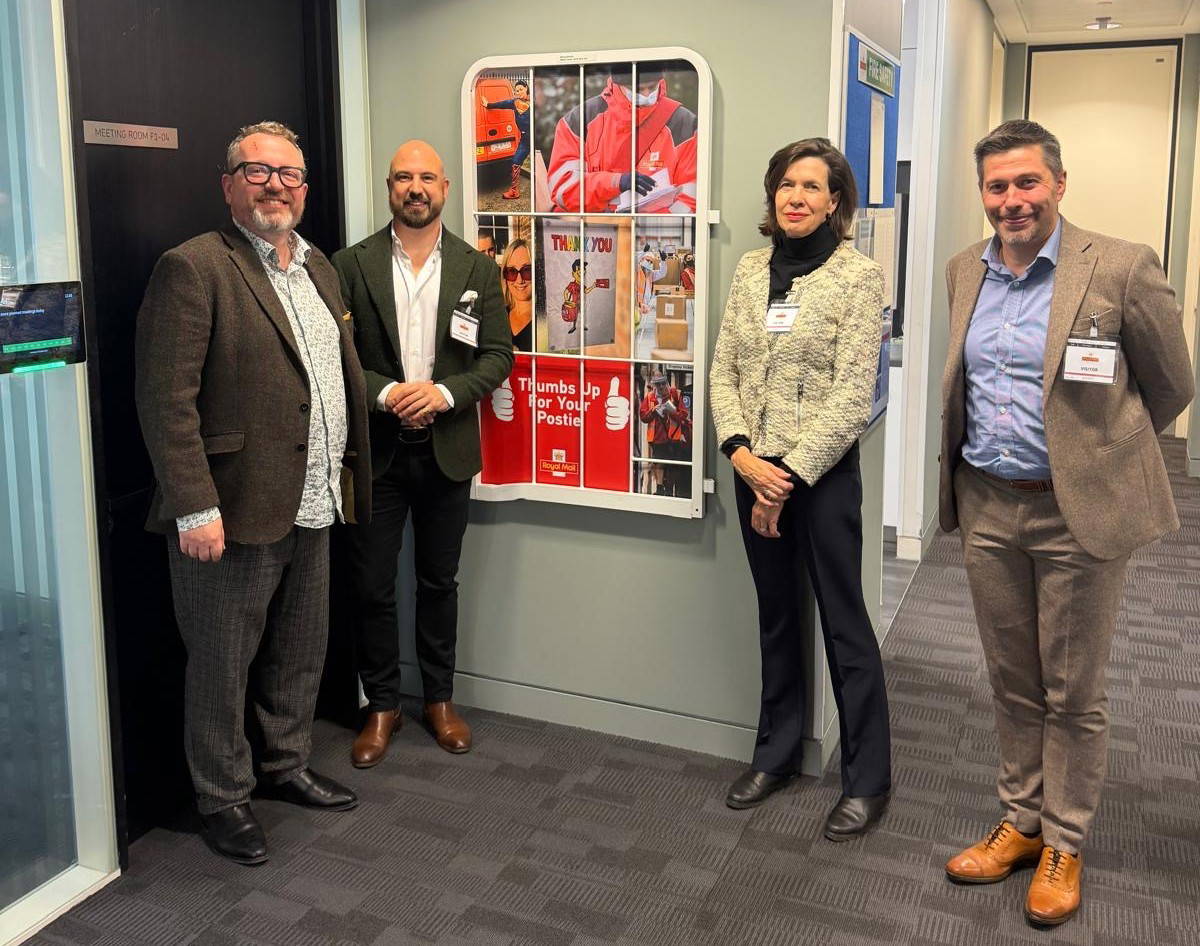
Our latest marketing meeting on 3 November was constructive. Royal Mail has supported the GCA’s recent Pam social-media reels, and we discussed its plans to celebrate Christmas card sending across its own channels throughout December, alongside opportunities for a more ambitious programme together in future.
The GCA welcomes this activity. At a time when confidence in the post remains vital, it is important that Royal Mail and our industry work together to remind people of the unique pleasure and emotional value of sending and receiving a card.
Also, the GCA’s work with Royal Mail, and with the support of GCA members, means that Last Posting Dates are now on display on POS in over 7,000 retail outlets this Christmas.
Royal Mail’s 2026 Christmas stamps also went on sale on 3 November. Designed by British artist Rebecca Sutherland, the collection depicts scenes from the Nativity and is available in First and Second Class denominations. The stamps can be purchased through Royal Mail’s online shop and participating Post Office branches.


Strengthening the Christmas service
Royal Mail and Ofcom are currently under significant pressure to demonstrate that postal performance is improving.
In recent parliamentary debates and committee hearings, MPs from across the political spectrum have reported constituents receiving letters late or in batches and raised concerns that parcels may be receiving priority over letters. Ofcom has confirmed that its current investigation into Royal Mail’s 2025/26 performance will consider the question of parcel prioritisation, while the Government has said it will consider any request from Ofcom for additional powers.
These concerns closely reflect issues the GCA has raised over a sustained period – performance should be transparent, and consumers need a service they can trust.
Against that backdrop, Royal Mail has announced the recruitment of 22,000 seasonal workers.
Royal Mail and the Communication Workers Union have also agreed additional peak arrangements. These include reviewing staffing, vehicles and equipment at every delivery office; making additional duties, overtime or agency resource available where needed; and putting particular attention on 195 delivery units currently experiencing the greatest operational difficulties. Further rollout of Royal Mail’s new delivery model has also been slowed to reduce disruption during the Christmas peak.
These are welcome and important commitments. The test will be whether they translate into cards and letters arriving reliably throughout the country.
The GCA will therefore remain closely engaged with Royal Mail over the Christmas period. Reliable delivery matters to everyone sending cards to friends and family, as well as the thousands of retailers, publishers and other businesses whose Christmas trading depends upon the post.
Protecting affordable Second Class post
Ofcom is also consulting on a proposal to extend the existing Second Class safeguard cap for one year, until 31 March 2028. Under the proposal, the capped basket of Second Class products could continue to increase no faster than inflation.
The GCA welcomes the proposed extension. It would provide time for Royal Mail’s new delivery model and quality-of-service improvement plan to be more fully implemented—and for their effect on service, costs and financial performance to be properly evidenced—before longer-term decisions are made about postal pricing.
Affordable Second Class post is particularly important to greeting-card senders. The GCA will continue making the case for a framework that protects affordability, sustains card-sending volumes and supports the long-term future of the universal postal service.
Ofcom’s consultation closes at 5pm on 27 November 2026. GCA members and other interested parties can read and respond to the consultation here.
Welcome progress—followed by delivery
The recent announcements are encouraging. Royal Mail is promoting Christmas card sending, recruiting additional staff and agreeing stronger peak arrangements, while Ofcom is proposing continued protection for Second Class affordability.
They also reflect a point the GCA and its members have consistently made: a sustainable Royal Mail depends upon a regular, nationwide, reliable and affordable postal service that gives consumers confidence to continue sending the cards they love to give and receive.
We will continue working constructively with Royal Mail, Ofcom, government and Parliament. We will welcome progress wherever it occurs—but ultimately judge that progress by the outcomes that matter: more people choosing to send cards, and those cards arriving when they should.